
Vet Care While Traveling In Your RV


Traveling in an RV with your pet can be an exciting adventure, but it’s important to take certain steps to ensure your pet’s health and safety on the road. Here are some tips to keep in mind when it comes to vet care while traveling:


1. Make sure your pet is up to date on all vaccinations. Many states require proof of rabies vaccination before you can enter with your pet. Check with your vet to make sure your pet is current on all vaccines.
2. Bring along copies of your pet’s medical records. You should have a copy of your pet’s medical records, including vaccinations, in case of an emergency.
3. Know your pet’s normal vital signs. Be aware of your pet’s normal heart rate, temperature, and respiratory rate. This way, you’ll be able to recognize when something is off and take action.
4. Pack a pet first-aid kit. Make sure you have a first aid kit stocked with items such as bandages, gauze, antiseptic ointment, and tweezers.
5. Research vets in the area. Before you set off, research local vets in the area you’re traveling to. That way, you’ll have the number handy if an emergency arises.
6. Have your pet microchipped. Microchipping your pet is the best way to ensure they’ll be identified if they become lost while you’re on the road.
7. Make sure your pet is spayed or neutered. This will help reduce your pet’s risk of certain diseases, as well as prevent unwanted litters.

By taking these precautions, you can ensure that your pet is safe and healthy while traveling.

Thanks! Dora, Ed, Mason & Missy

Solar For Your RV

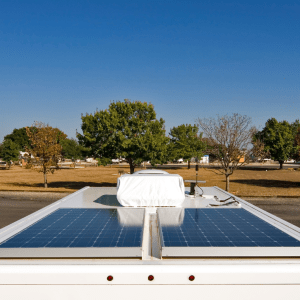
If you’re an RV enthusiast looking to explore the great outdoors, you’ve likely considered adding solar power to your rig. Solar energy is an excellent option for RVers, as it’s an efficient, clean, and renewable source of energy. In this blog post, we’ll cover how to install and use solar energy in your RV.


First, you’ll need to determine the size of the solar system you’ll need. The amount of power you require will depend on the appliances, gadgets, and electronics you’ll be running in your RV. You’ll also want to consider the size of your RV, as larger RVs will require a larger system. Once you’ve determined the size of the system you need, you’ll need to purchase the correct solar panels and inverters.
Next, you’ll need to install the solar panels. You can either do this on your own, or hire a professional to install them. Make sure they’re securely mounted and aligned properly to ensure optimal performance. Once the panels are installed, you’ll need to connect them to your RV’s electrical system. This includes running wires from the panels to the RV’s battery bank. You’ll also need to install a charge controller to regulate the flow of electricity.


Finally, you’ll need to make sure that your RV is outfitted with the proper solar-powered appliances and gadgets. This includes refrigerators, air conditioners, and other electronics that require electricity. Once everything is installed, you should be able to enjoy the benefits of solar power in your RV.


With the right preparation, solar energy can be an excellent way to power your RV. Not only is it a clean and renewable source of energy, but it can also provide you with a reliable source of power when you’re on the road. If you’re considering adding solar to your RV, make sure you do your research and invest in quality components to ensure your system runs smoothly.

Ed & I can not wait to start getting our solar system set up and out boondocking on the beach again with ease. Comment below if you have solar, what system you have and when you got set up.

Thanks!

Dora, Ed, Mason & Missy

(Click on the photos below to be directed to our Pinterest, Website, TikTok and YouTube Channel.)

FREE Beach Camping…

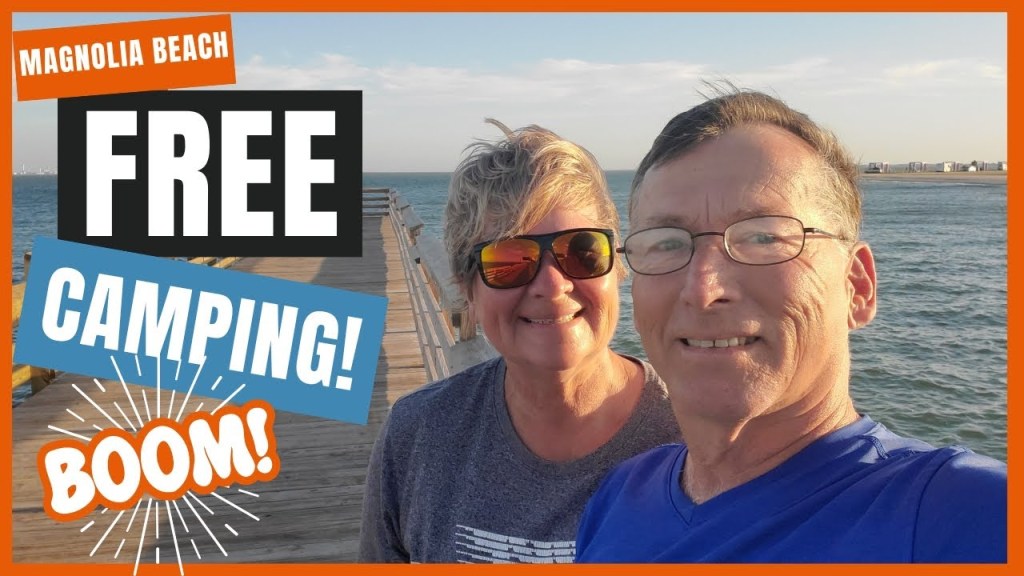
Todays video is all about how you can FREE beach camp too! Ed and I stayed on the beach, beachdocking for 6 days. We learned alot about our capabilities that we want to share with you. No you don’t have to spend a ton of money to do this but…. there are things we can access to make it easier though. But we had an amazing time.

Don’t forget to subscribe to our YouTube Channel if you haven’t already.

Enjoy Your Weekend!

Ed, Dora, Mason & Missy

FREE Beach Camping…

Todays video is all about how you can FREE beach camp too! Ed and I stayed on the beach, beachdocking for 6 days. We learned alot about our capabilities that we want to share with you. No you don’t have to spend a ton of money to do this but…. there are things we can access to make it easier though. But we had an amazing time.

Don’t forget to subscribe to our YouTube Channel if you haven’t already.

Enjoy Your Weekend!

Ed, Dora, Mason & Missy

Tips To Overcome Anxiety On Travel Days

Here are some tips to help reduce anxiety on RV travel days:

1. Plan ahead and make sure to give yourself plenty of time. Being rushed can increase your stress levels.

2. Break up your travel days into smaller sections and take frequent breaks. This will help you stay focused and relaxed.

3. Before you leave, make a list of the items you need to bring with you and double-check it to make sure you have everything.

4. When you arrive at your destination, take a few minutes to relax, take a deep breath, and take in your new surroundings.

5. Stay hydrated and keep healthy snacks on hand to help keep your energy levels up.

6.Play some calming music while you’re driving to help keep your anxiety levels in check.

7. Bring something to occupy yourself on the trip. Whether it’s a book, a crossword puzzle, a tablet, having something to keep your mind occupied can help you stay calm.

8. Avoid caffeine and alcohol on the day of travel. These substances can make you more jittery and anxious, so it’s best to avoid them on travel days.

9. Try to remain mindful throughout the journey and practice some calming breathing exercises.

We hope these tips help you reduce your anxiety on RV travel days.

Good luck and have a safe journey!

Dora, Ed, Mason & Missy

Shorts Channel?

Did you know Ed started a new channel? Our shorts YouTube channel, @itsagoodlifervshorts features a variety of brief and engaging videos on a range of topics, from funny skits to educational content. Our goal is to provide viewers with quick bursts of entertainment and information that can be easily consumed on-the-go.

Subscribe to our channel for regular updates and join the community of short video enthusiasts!

Ed and I are sleeping together again!

As our thumbnail shows, we are sleeping together again! LOL It’s because our gate closed and we can actually sleep at the same time. No more opposite shifts for a while. Living the RVlife as Gate Guards, we can try different things. Since our gate closed after 8 weeks we decided to take some time for ourselves and that will be coming up next!

Don’t forget to subscribe to our YouTube Channel if you haven’t already.

Enjoy Your Weekend!

Ed, Dora, Mason & Missy
Are Holding Tank Sensors Accurate?

It’s a common joke in the RVing community that the holding tank sensors are only accurate until you use the tank for the first time. If anything sticks to the sensor, it will give a false reading of being more full than it actually is. Sensors may indicate a nearly full tank even right after you’ve emptied it. When doing research for this blog post, we found that the sensors are placed in the lowest point of the tank. Where the heavier objects will set, stick to your sensors then giving false readings.

If your black water tank shows full when it is empty, it could be one of four reasons. The sensor could have built up debris, preventing an accurate reading. The tank could also have a pressure build-up because of clogged vents. You could also have a wiring issue or a faulty black tank sensor. More than likely what we’ve found is there is a build up of debris.

When a sensor inside the tank gets covered by food particles or toilet tissue it completes the circuit and relays the information to the monitor panel. It is possible for the holding tank to be empty but still register as 1/3, 2/3 or full because the tank sensor for a certain level in the tank is covered by debris. If the tank sensors are not displaying the proper amount of content in the tank you don’t know how much is in the tank until it is completely full. When the gray water tank is full, the the water backs up through the shower/tub drain. When the black water tank is full the wastewater come back up into the toilet. These are two problems all RV owners can do without.

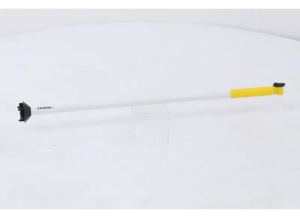
There are a couple things we as owners can do to correct false tank sensor readings. We try to flush and rinse the black tank every time we empty it. You could use a flush that is built in the tank or purchase a wand that has a nozzle that sprays high pressure streams of water in every direction inside the tank. After we empty the tank, we flush the tank for several minutes. This cleans the tank sensors and helps prevent build-up on the sensors that can result in false tank readings.

Another method to clean tank sensors is to add a tank sensor cleaner to the holding tank after the tank is emptied. Add enough water to completely cover the bottom of the holding tank and add the sensor cleaning treatment according to the instructions. As you drive or tow the RV, the cleaner moves around and cleans the sides of the tank and the tank sensors. But if your not traveling, the sensor cleaning treatment will continue to work as the tank levels rise too.

Tip: Every time you empty the holding tanks add enough water to completely cover the bottom of the holding tank and then add the holding tank treatments. This will keep the holding tank cleaner and help prevent clogs and other holding tank related problems.