Have you missed our recent videos on our Fall Colors Tour? Currently we have 7 videos of various locations uploaded on our channel like this one.
Miners Castle – Beach & Trail AND Munising Falls

Living the Solo RV Life
Have you missed our recent videos on our Fall Colors Tour? Currently we have 7 videos of various locations uploaded on our channel like this one.
Miners Castle – Beach & Trail AND Munising Falls

What are you looking for? A campsite booking tool, an app to plan your next camping trip, or a resource for all of the best places for RVers with honest reviews.
We’ve scoured the appsphere for the best free apps for first-timers to last-minute planners to seasoned full-time RVers. After giving them a test drive, we selected these as our top pocket finds.
Boondocking. An iOS only app that specializes in providing users with information about free camping sites, most are without hook-ups for tent and RV campers. The app includes an amazing 500+ listings, coupled with details from campers offering their experiences with the sites.With boondocking, there are no reservations. It’s a popular way to explore wilderness areas and save money while on your trip.
NPS.gov This app features National Park campground sites. Within the app you click directly to the park’s website to book camping or cabins, and apply for any permits. If you are a seat-of-the-pants traveler or last-minute planner, this is a perfect tool for booking sites.
FreeRoam. This app specializes in trip planning. It will help you find a camping spot that meets your specifications, assist you navigate to the camping location, and show you where gas, rest rest areas and other travel services are along your way. Just click on the camp spots for photos and details, then enter your travel dates, and the app builds your trip. The app can plan your entire trip based on user preferences, adding in gas stops, grocery stops, points of interest, and routes appropriate for the height of your vehicle. Then simply set your route and follow it using its built-in navigational map tool.
Recreation.gov. Reserve a public lands camp spot at more than 3,600 facilities and 103,000 individual sites across the United States. Book your site within the app, which features photos, driving directions, and a call center operator who can help you with your trip planning. The site also assists travelers locate historic and cultural sites along the way, rent gear or an RV, and buy the America the Beautiful National Park pass.
Campendium. This app was created by campers for campers and employs a team of full-time travelers who add sites and information all the time. More than 350,000 app users then review those sites. Find a site by searching for the name of a location and then picking one from the hits that appear on the map. Campendium lists a lot of information about the campsites, including cell signal strength, hookups, pet friendliness, amenities, campsite costs, and campground website links and phone numbers.
As great as these apps are by themself, the real power comes from using them all. If you’re coming up empty on one app, try the others.
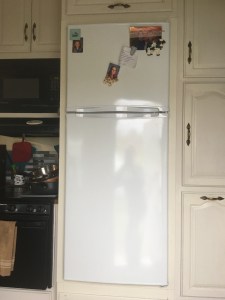
If you’re reading this your either interested in replacing your RV refrigerator because it has quit working, thinking about the project OR you want more space than your old refrigerator. Either way, this is the blog post for you.
We had discussed a few years ago if our current RV refrigerator quit working, we would replace it with a residential one. However, we did like the option of using the propane to cool our refrigerator when not hooked to shore power. So, when our refrigerator ‘bit the dust’ just before leaving our summer job, we began looking at refrigerators that would work for us without spending over $2,000. Thankfully a friend of ours had recently completed a van conversion and had used a residential refrigerator so had knowledge about them. As I began throwing the food away that had spoiled, our friend began searching online for a refrigerator that would work within our budget. Amazingly she found one that she thought would fit in our space left by our RV refrigerator. We loaded up the truck and headed to Lowe’s a home improvement store. When we found the refrigerator that we had saw on the internet we quickly found that it was too small. Smaller than what we had before. So, feeling a bit defeated we began searching in the store. Then….. Ed found a much larger one, measured the overall size and wha-la that was IT!
We’ve listed a few steps below that may help you in your process. Please remember we are NOT professionals just people sharing our experience.
We hope you find this helpful if you are thinking about exchanging your RV refrigerator for a residential refrigerator. Let us know what your plans are and please share your knowledge with us.

Your probably looking forward to your RV trip. All the freedom, convenience, and comfort in traveling in an RV are truly worth anticipating. But before all the excitement sets in, there are plenty of things you need to consider so you can have the best RV experience possible.
Traveling in an RV can be a bit much for first-timers, and you could miss out on many important details. While it’s understandable for beginners to make mistakes, and to be honest even people that have been RVing for years make mistakes. Don’t let mistakes ruin your entire RV trip. Try to learn from them and move forward. The good news is you can learn from the mistakes and experiences of others. We are the first ones to admit we’ve made our share of mistakes since we starting Full-Time RVing in 2009.
Tip 1: Find the right RV for you. What fits in your budget and how you want to use the RV. You’d be amazed on all the different features from motorhomes to travel trailers and camper vans. But while it’s easy to get caught up on the RV’s interior and amenities, your choice may impact your RV experience. Besides the luxurious features, many get carried away with the idea of traveling in an RV. As a result, they rush into it and get the first one they come across without realizing their needs. Choosing the wrong RV for your travel can cause frustration and setback along the way. You must have realistic expectations of what you want to achieve in your trip. However, it is hard to know what you want/need until you travel in it.
Tip 2: Plan your route. Traveling in an RV takes a more planning than if you were traveling in a regular vehicle. Having the freedom to go whenever and wherever you want is one of the perks when traveling in an RV. But that doesn’t mean to hit the road without a planned route. It may sound exciting to just go as you please, you may find it not enjoyable in the end. You may run into road closures, construction zones OR on a route that you should not have your RV on. (Example: We ended up on a dead-end road in a housing division. Ed had to back all the way out.) Just do a little planning before you head out and I guarantee your trip will go much smoother.
Tip 3: Packing Less. As you start out on our new journey its typical to pack more than what you really need. Compared to regular cars, RVs are much bigger, and you might be tempted to bring as much stuff as possible to make the road feel like home. But overpacking is the enemy of most RVers. Besides making your space cramped and cluttered, it can add more weight to your RV and may cause issues down the road.
However, packing lighter may make your RV feel better, but it may make your RV experience a bit short. Make sure that you pack your essentials but also a few items that will make you comfortable. Maybe it’s a blanket you love to snuggle with OR that favorite shirt. It’s vital to pack the right amount of things when traveling in an RV. When traveling in an RV, try to be minimalist as much as possible but be mindful of the essentials.
Tip 4: Make Reservations. Spontaneity can be part of the thrill while traveling in an RV. But it might not be the best way to start our traveling when you pull into a campground and they are fully booked. Many RV parks fill up early, especially during peak season. If you don’t want to get stressed out figuring out where are overnight stops are plan ahead. Book those RV sites days, weeks or months ahead. OR if you are not picky, you can always find a spot in a parking lot, rest stop or truck stop to spend the night.
Tip 5: Maintain your RV. Whether you’re using a used or new RV, it is a MUST Do to check if it’s safe to travel. The size and weight of your RV can create problems on the road without proper preparation and maintenance. One of the most critical parts of an RV that should be at the top of your mind is the tires. Remember that bad tread or aged tires can cause blowouts, which is dangerous for your RV and surrounding vehicles. Before you get behind the wheel to hit the road to a through walk around.
Tip 5: There is NO Perfect Trip. There is no perfect way to travel. Anyone can and will make mistakes along the road, no matter how experience you are, things happen. It is all how you handle the situation and move forward. But keep in mind, planning for your RV trip can minimize the hassle and risks on the road. AND Don’t forget to enjoy the ride!
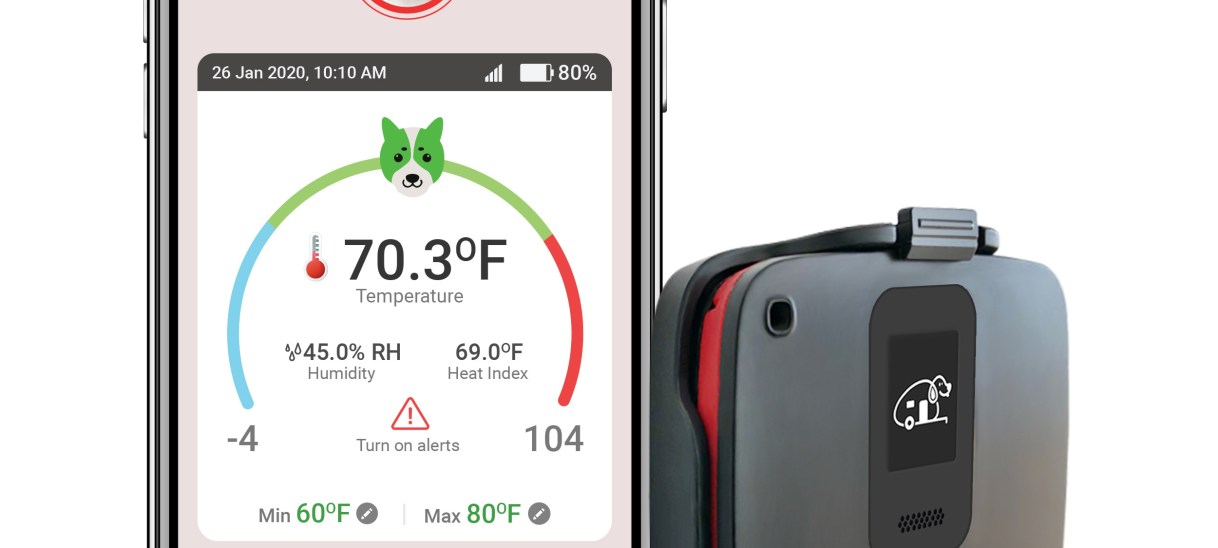
Waggle is a Wireless Remote Pet Temperature Monitor that will keep your Pets safe 24/7. The monitor will give you the peace of mind that your pets will remain safe while your away from your home OR RV. It runs off its own 4G Verizon Cellular. No need to have a separate WIFI. It will alert you by email and/or text based on your temperature settings, when power is lost, restored and when the battery is running low.
When we are away from the RV our biggest fear was something would go wrong with our AC Unit or the RV Park would lose power. As many of know, RVs heat up quickly to unsafe temperatures for our pets. Worrying about our fur babies has always caused us anxiety. Then….. we brought Waggle into our home.
Once the device arrived, we downloaded the app on our smartphones, set up our account and set up the alerts based on our preferences. Unboxed the device, plugged it in and wha la! (Super easy!) It did take us a bit to figure out where was the right placement of the monitor in our RV, as you will see in an upcoming video. You don’t want it in direct air of the AC Unit, heat vent or near a window. But once we got that figured out is has been fabulous. The monitor it has removed the anxiety we were having when we left them home alone.
Product Details: Wireless Remote Pet Temperature Keeping an eye on your pets safety is now easy. Just peel and stick the monitor anywhere inside your Car/RV/Home and get Temperature, Humidity updates on your smartphone. | Subscription Required: Affordable plans that cover built-in Verizon 4G cellular Service to monitor your Pets Environment Temperature. (Subscription purchased separately using Mobile App). | A built-in rechargeable battery gives you peace of mind even when your RV power is lost. Low-battery & RV Power-Loss Alerts available as well.
When you purchase your device, make sure do use code Dora50 for 50% off your order!


One of the benefits of RV travel is that your pets can enjoy the great outdoors and travel experience with you. According to the Recreation Vehicle Industry Association, pets serve as companions on the road for 61% of RV owners.
One of the many benefits to RV travel is the ability to bring along our dogs. For many people, their dog is more than a pet but a member of the family. This is the case with us and our Shih Tzu Mason & Mini Schnauzer Missy. They are like a furry little children to us. Over years now we have lived and traveled in our fifth wheel and they have gone everywhere with us.
Over the years, we’ve learned a few things to make sharing the rig with our pups a little easier and enjoyable for us both. I hope you find the following tips and advice helpful if you are also planning on RVing with a dog.
Avoid Fabrics in the RV Décor
Unfortunately, many of our best friends tend to smell, drool and shed large amounts of hair. They also have been known to get sick and have the bathroom-related accidents. They are just facts of life when you are a dog. For these reasons if I was buying the rig all over again I would have paid more attention to the amount of fabric present in its décor.
We ended up with two fabric swivel chairs, a sofa with fabric cushions and several areas of short cream colored shag style carpeting. All turned out to be magnets for the dirty spills and doggie odors. We actually have been renovating the interior and top of the list of upgrades with all leather furniture and plan on installing vinyl flooring for easy clean up. This should dramatically reduce our rig cleaning chores and smells.
Removing Pet Smells
Dogs are going to smell up the rig, no doubt about it, some breeds worse than others. Our dogs are not super smelly as breeds go but as other dogs do, they get into some unwanted smells outdoors.
In my attempts to remove smells, we’ve tried many different cleaning products, some claiming to be pet specific and super-duper extra strength, blah blah blah. But in our experiences, a few simple tried and true cleaners do the best job. For fabrics like the furniture and carpeting, I use a little Bissell portable cleaning machine and fill it with a solution of half water then half and half of cleaning vinegar and detergent. For walls and hard flooring, we use good old Pine-Sol.
Ventilation for the Pups
We have found ourselves out dry camping in our RV without the luxury of air conditioning. This is where having a means to properly ventilate the RV becomes very important to our furry companion. We’ve recently installed a powerful vent fan and it has made a huge difference, especially on those days with little or no wind.
If we have to leave our pups in the rig without AC, we open a window and turn on the vent fan creating a nice breeze. Our fan has a built-in thermostat so it automatically comes on as the heat rises.
We also place a wireless thermometer in the RV to keep them safe with the RV would warm up to unsafe temperatures. We had to learn when its safe or not to leave them depending on the weather and how the RV is placed in relation to the sun.
Doggie First Aid Kit
Our final tip for you today is put together a first aid kit specifically for your dog. Your vet should be able to guide you as to what to stock for their personal needs. Examples of things I have in mine are pain medication specially formulated for the dog, allergy medication, doses of flea/tick/heart-worm prevention, vet wrap for bandaging wounds, eye and ear cleaner, etc. Also have the medications ready to go in the proper doses so you don’t have to think about it when the time comes.

Do you really need a surge protector for my RV? Yes, you do need a surge protector for you RV. There are numerous electrical threats such as low voltage issues and power surges that can cause damage to your RVs electrical systems. Purchasing a surge protector for your RV is one of the smartest investments that you can make immediately after buying it. Surge protectors protect your RV from shore power problems at the pedestal and shut down if power supply is dangerously low or high. Considering that RV surge protectors can save your RV from electrical problems and even fires, it’s a small price to pay.
When it comes to electricity in your RV, you may have many questions and concerns. One of the questions we get from our subscribers is, “Do we really need a surge guard?” In my opinion, yes, you do. There is a wide variety of things that can cause electrical surges. The damage that these surges can cause to all of your appliances and electronics is well worth the investment.
What Causes Surges
Electrical surges can be caused by many things. Most common for RVers are fluctuations in the voltage when plugged into the campground’s electrical stations. Most RV parks voltage runs anywhere from 114 volts to 126 volts. Considering that most of our electronics preform optimally at 120 volts, these fluctuations can cause issues. As crazy as it may sound, lightening can also cause extreme voltage changes. This surge of power can cause all of your electronics to go haywire. There are two different types of surge guards you can keep your electronics safe.
Plug-In Surge Guard
The plug in style of surge guard is easy to use and takes no time to install. You simply use a 30 amp surge guard if you have a 30 amp system. Plug your shore cord into the surge guard and plug the surge guard into the power source. If you have a 50 amp system, you would just use a 50 amp surge guard the same way. The benefits of the plug in is that it is easy to use and can be removed if you like. The drawback is that unless you purchase a lock, the surge guard is easily removed by a thief.
Hardwired EMS System
This type of surge guard is called an EMS System. EMS stands for energy management system; this unit will need to be installed by a professional. It is a little more expensive than the other surge guard but it is the best system around to protect the things we have all become so unable to live without. I, for one, would not be a happy camper if my laptop stopped working. All my photos, my music, my videos…TRAGIC!
So again, if you ask me, I would say yes. You definitely need some type of surge guard. Many people would tell you that they have gone all over the country in their RV and have never had any trouble. Which I am sure is completely true, but we are bringing this to your attention so you don’t show up at a RV Repair Shops with all our your TVs, Stereo, DVD players, and microwave all dead… This could sure bring your RVlife to a screeching halt. The money that you will spend ensuring that the electrical voltage is perfect will be a lot less than replacing all the electronics in your RV. Not to mention that laptop thing again, but losing your laptop…AWFUL! Happy Camping!


It’s never fun to call it quits on camping season. Some of us even experience what we call “the winterization blues,” a mild to severe case of gloominess that can linger until the rig gets reopened in the spring. But for many RVers, whether they like it or not, camping season does come to an end, and winterization is a sad reality.
Our best bet is to take some precautions and do it right. Here are six quick tips to show your RV some winter love and make sure she is ready to hit the road come spring.
Get all food and liquid items out of the RV! This includes hand soaps, toothpaste, shaving cream, and the like. These bathroom items can freeze and crack in the winter, leaving a sloppy mess in the spring when they melt. A friend of ours ruined the medicine cabinet one winter by leaving a tube of shaving cream in a dark corner of the bathroom. Don’t Do It!
People tend to be gifted at getting crumbs into every imaginable nook and cranny of a RV. When it’s time to shut down the shop, make your RV as critter proof as possible. That means getting down on your hands and knees and working that vacuum until your back hurts. Follow up with a wet mop for good measure.
Your RV refrigerator can get all kinds of nasty during the winter months, but not if you scrub it until it shines. Leftover food residue will get moldy and make your fridge look a middle school science experiment. Propping open the fridge and freezer doors is also a must if you don’t want a nasty surprise come spring.
Water is your RV’s worst enemy during winter storage, so make sure to get it all out of your tanks and fill them with antifreeze. If you are not confident with this relatively easy process then we suggest having your RV winterized by a local dealer or mobile RV repair service. This will only cost around $100.00. If you prefer to do it yourself, make sure you follow the instructions of your dealer or manufacturer, since each RV has different requirements. If you are not in a cold climate, we’d suggest that you at least drain all your lines and tanks.
We always cover our RV tires when we are setting still for a few days and always covered them during the off season before we became Full-time RVers. It is a very important stop that is a simple and inexpensive precaution. RV tires can look healthy to the eye and have excellent tread, but extensive exposure to the sun can degrade the rubber and cause weather cracking.
When we bought our first RV, the salesmen recommended using a good quality cover for the RV during the winter. He suggested that we purchase a cover that would repel water BUT it allowed it to breathe so mold would not grow. We didn’t really want to spend the extra money but we did it anyway. However, the good quality cover, that the RV salesman recommended, tore very quickly. So, we can not personally recommend a specific brand or type of cover. We’d suggestion getting on the RV forums to ask others what they use so you can learn from others personal experiences.
Now that you have your beloved memory-making machine to bed for the winter, it is critical to keep the winterization blues at arm’s length. We have a tip for that as well…start planning your next great RV adventure!
RV Security lights are found on many trailers and motorhomes. Essentially, they are just a white-lensed exterior light that is mounted up high on both sides of the unit. They are also referred to as “Scare Lights”. They create very bright lighting around the outside of your camper to hopefully ward off intruders.
They also provide some useful benefits apart from the “scare thing.” Their elevated light position serves as great lighting for after-dark patio activities in camp. They are also great for lighting both sides of the RV during your walk outside when your pet just has to go out. Some people even use them as a signal while in a campground. If the light is on, we are up. You are welcome to drop in.
These lights are a relatively low priced option on a new unit or can be purchased as an aftermarket add-on. They are fairly easy to install on any RV.
A great upgrade would be to replace the light bulb with a compatible L.E.D. lamp. This would substantially reduce the power drain and would probably last nearly the lifetime of the vehicle.
There is an additional option that is sold for these lights that perhaps better supports the security aspect. That is a motion sensor. This will trigger the lamp to light when someone approaches. The automatic illumination requires that the 12 volt power be on, arming the light fixture. Turning the power off disables the light while travelling or when not wanting the light to operate.
I guess the term “Scare Light” came from it scaring away an intruder in the dark with the sudden illumination. I think the automatic light function would be far more effective for this application.
So, relax, turn on your “Scare Light” and enjoy.

Are you in the beginning phases of RV trip planning? There are a lot of different things to factor in as you decide where to travel, the possible need of finding an RV, and what to do along the way. If this is your first time planning an RV trip, make sure to make your plan well in advance so you have time to wrinkle out any possible issues. There are a lot of different resources available to help with your RV itinerary as well as different tips and tricks to have a great RV trip.
When we were planning our first extended RV trip, we wondered if it is it cheaper to RV or stay in hotels. The main things to consider when calculating the different between traveling in an RV or staying in hotels is comparing the costs between vehicle rental costs/monthly payments on the RV, fuel costs, food and lodging costs.
We are Full-Time RVers so we do not have to factor in the cost of renting an RV. Renting an RV can be very expensive. We had towed a car behind our 5th wheel so when out exploring we could keep the costs of fuel down. However, since selling our car we’ve decreased our expenses because now we don’t have a loan to pay on. So if you tow a car behind your RV you will need to factor that in as well.
In general, campsites are a lot less expensive than staying in a hotel. This is especially true if you take advantage of boondocking, staying in places that allow free RV parking.
If you are traveling in an RV through an area, there are some places like Walmart, Cracker Barrel and Cabelas that allow free overnight parking. Just make sure to check with each individual store on their policies. Campsites with water, sewer and electric hookups are more expensive but are still usually less expensive than a hotel.
When it comes to fuel costs, driving in an RV or towing a RV is more expensive than driving in a passenger vehicle. Keep in mind the distance and how fast your driving will have a big impact in your fuel budget.
One important thing you need to decide is if you will be going on your road trip in an RV or passenger vehicle. We prefer to travel in our RV but time limitations are important to take into consideration. We have found that we can travel more and spend less in our RV.
Staying at campgrounds is less expensive and it is more convenient to have all your stuff in one place. You do not have to pack up a suitcase every time you move.
We also spend less money on food on our road trips if we have our RV. RV meal planning is much easier than trying to find food to cook out of hotel rooms and definitely less expensive than eating out. We love to check out locally owned restaurants but we also love cooking our meals in our (home) RV.
There are a lot of things to consider when planning the dates for your RV trip and where you will go. Are there timely events you want to go to? If so, you will need to plan your trip around that. If not, it is a great time to look at your destination bucket list. It is also important to consider the weather where you will be.
I put this first on the list because it will dictate your overall trip. Setting a budget will determine how far you can drive, your nightly budget for accommodations and activities. Of course boondocking is much less expensive but we also use several apps from our phones to find more affordable options while traveling. Recreation.gov, Campendium, Harvest Hosts, RV Parky are just a few we use. Also, I have the Love’s app on our phone so we can not only look for fuel is stations that are RV friendly but you can also boondock with the semis. But, keep in mind you do not want to take up an area that needs to be used by the semi drivers. What I mean by this is if the truck stop is full and only 1 spot left, drive a bit farther to find a different location. OR, do not take up more than 1 site by extending your slides into another site. Please only take up one spot and leave it cleaner than what you found it. “The Girl Scout Way”
Next, determine how many days you have for your RV trip. If you are scheduling around work vacation days, you probably will have a shorter trip than if you are working from the road. Deciding how many days in your RV itinerary will help you determine how long you want to spend driving and spending it your destinations. Tips: When traveling with your RV just plan on 2 hours over your drive time. Please drive at a speed that is safe for you and your RV. Don’t dry tired. When you are drowsy, reaction time slows, judgment is impaired, and the risk of a crash increases.
We borrowed my parents RV before we purchased our own. Rentals can be expensive, so we decided to TRY IT OUT by borrowing my parents. It was a great way to find out if the RVlife is for you and how you want to travel. RV ownerships does have its expenses but we found it to be much less. Although the RVlifestyle can be challenging at times, we found it much for rewarding.
If you don’t have the option to TRY IT OUT by borrowing someone else’s RV, there are a lot of different places to rent an RV. There are companies you can rent from as well as platforms like AirBNB but for RVs.
Outdoorsy is a peer-to-peer RV rental company with 40,000 vehicles listed. RVShare is another peer-to-peer rental site for RVs. These sites work like AirBNB. Prices vary by the individual listings.
The most common company to rent RVs from is CruiseAmerica. It rents Class C RVs in a variety of sizes. The RVs are pretty basic inside, but the rental fees include insurance and third-party liability. There is an additional cost for miles driven.
The average nightly cost to rent an RV is about $150 per night. Higher-end RVs and newer models will be more expensive. Make sure to see if insurance is included. Also, rentals also charge about $0.50 per mile which can add up on a long trip.
Once you have decided how long you are going to be gone, you can get started on all the fun stuff you’re going to see. You will need to determine where you are going, how long you are going to be there and what to see along the way.
I first start with the geographical area we will be covering. The geographical area could be the coastline, a state, states, or the national parks in a certain area.
From there, we decide on what we want to see in that area and how long we will be there. How long you will spend in each place depends on how much you want to see, the activities you want to participate in, and how busy you want your itinerary. Typically, a Google search can tell you what is in that area.
When planning your RV route and timeline, keep in mind the driving distance between locations. Especially in the west, things are a lot farther apart than people think. Plugging in your destinations into Google Maps is an easy way to calculate this.
It also takes time to get the RV ready to move and then getting it set back up at the new campsite. We are not a fan of showing up and getting parked in the dark. Driving around RV parks or any new town in the dark with an RV can be challenging and downright dangerous.
There are a bunch of different RV Trip Planning Apps that can help you with this or you can do it yourself. If you do not want to use an RV road trip planner, you can use Google Maps. Simply add in your destinations to help calculate drive time and the most efficient route. But please keep in mind. Using Google Maps it does not take under consideration the size, weight and height of your RV. If you solely rely on that you may get yourself into a pickle you don’t want to be in. For example, getting into an area of the city that the roads are not wide enough or over hanging tree branches can tear your roof. But on the flip side, you can use the satellite view to look over an area before during your RV into the space.
If you are traveling during the summer or to a really popular destination, you will want to make reservations ahead of time. RV parks and campgrounds do fill up, especially if they are less expensive. State parks and national parks fill up months in advance.
We have always been able to find a spot but if we are making a last-minute reservation, but you can find ourselves at the most expensive RV park OR a not so favorable place.

 Not Your Average Explorer